


Introduction
When designing a home, homeowners often focus on aesthetics, furniture, and finishes. However, one of the most powerful elements of residential architecture is something entirely natural—sunlight.
Natural light is more than a design feature; it is a fundamental component of healthy living. It influences our physical health, emotional well-being, productivity, and overall quality of life. A thoughtfully designed home that maximizes natural light can transform everyday living experiences, creating spaces that feel brighter, healthier, and more uplifting.
At Vedic Home, we believe that great architecture begins with understanding how people interact with their environment. Natural light plays a crucial role in creating homes that nurture both the mind and body.
The Connection Between Light and Well-Being
Humans have evolved in harmony with natural daylight. Our bodies rely on sunlight to regulate circadian rhythms—the internal biological clock that controls sleep, energy levels, and mood.
Homes that receive adequate daylight help residents:
• Improve sleep quality
• Increase energy levels
• Reduce stress and anxiety
• Enhance concentration and productivity
• Support emotional well-being
When natural light enters a home, it creates an environment that feels alive and welcoming.
Natural Light Improves Mental Health
One of the most significant benefits of natural light is its positive impact on mental health.
Bright, naturally illuminated spaces can help reduce feelings of stress, fatigue, and depression. Sunlight stimulates the production of serotonin, a hormone associated with happiness and emotional balance.
Dark and poorly lit interiors often feel restrictive and gloomy, whereas bright spaces create a sense of openness, comfort, and positivity.
In today’s fast-paced world, homes should act as sanctuaries that support mental wellness—and natural light is one of the most effective tools to achieve this.`
Creating Spacious and Inviting Interiors
Natural light has a remarkable ability to transform how a space feels.
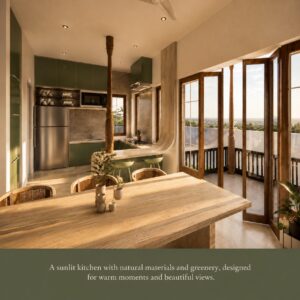
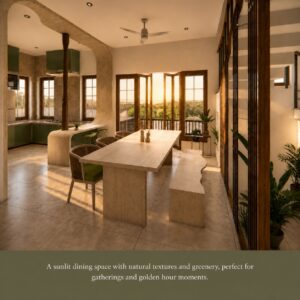
Even compact rooms can appear larger, more open, and more inviting when flooded with daylight. Light enhances textures, highlights architectural details, and brings materials to life.
Large windows, courtyards, skylights, and open layouts allow sunlight to travel deeper into interiors, creating visual connections between indoor and outdoor environments.
A bright home naturally feels more comfortable and enjoyable to live in.
Reducing Dependence on Artificial Lighting
A well-designed home makes the most of available daylight throughout the day.
By strategically positioning windows and openings, homeowners can significantly reduce their reliance on artificial lighting. This not only creates a healthier living environment but also improves energy efficiency and lowers electricity consumption.
Sustainable design begins with using natural resources wisely, and sunlight is one of the most valuable resources available to every home.
The Importance of Orientation in Home Design
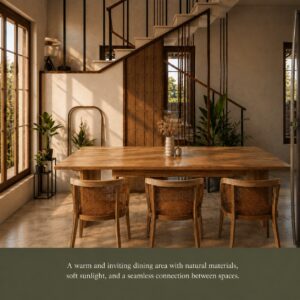
The amount of natural light a home receives depends greatly on its orientation and architectural planning.
Thoughtful design considers:
• Building orientation
• Window placement
• Room positioning
• Courtyard integration
• Shading strategies
At Vedic Home, these factors are carefully analyzed during the design process to ensure balanced daylight throughout the home while minimizing excessive heat gain.
Good architecture is not about adding more windows—it is about placing them intelligently.
Natural Light and Connection to Nature
Natural light strengthens the relationship between indoor and outdoor spaces.
When sunlight enters a room, it changes throughout the day, creating dynamic patterns, shadows, and visual interest. Combined with views of greenery, gardens, and courtyards, daylight helps occupants feel connected to nature.
This connection promotes calmness, relaxation, and a greater sense of well-being.
Homes that embrace natural light often feel more peaceful and restorative than those that rely primarily on artificial illumination.
Designing Homes Around Daylight
Successful residential architecture prioritizes daylight from the earliest planning stages.
Some effective design strategies include:
• Large strategically placed windows
• Internal courtyards
• Skylights and light wells
• Open-plan living spaces
• Glass doors opening to gardens
• Reflective surfaces that distribute light
These elements help ensure that every corner of the home benefits from natural illumination
Conclusion
Natural light is one of the most important yet often overlooked aspects of residential design. It influences how we feel, how we live, and how we experience our homes every day.
A home filled with daylight promotes better health, improved mood, greater comfort, and stronger connections with nature. It creates spaces that feel warm, welcoming, and alive.
At Vedic Home, we believe that every home should be designed to harness the power of natural light. Through thoughtful architectural planning and a deep understanding of human well-being, we create homes that support healthier, happier, and more fulfilling lifestyles.
Because a healthy home begins with healthy light.
